

- De Sales, St. Francis. 2010. An Introduction to the Devout Life. Charlotte, NC: Tan Classics.
This 16th century work by one of the most highly regarded Doctors of the Church refers to the process of Philothea, or the love of God. You can say this five-part book covers it all, from guiding and renewing your soul to approaching God in prayer and practicing virtue. Yes, sanctity is possible in everyday life on the way to heaven. Meditations, reflections, and self-examination are part of the process.
- Kempis, Thomas A. 2024. The Imitation of Christ. Thriving on Purpose Publishers.
A 15th century timeless masterpiece on godly living, devotion, and the pursuit of divine love. Conversational in tone, its focus is on personal humility and renouncing the world. It is very readable when edited into today’s modern English. After the Bible, this is the most widely read book in the world.
- Ratzinger, Cardinal Joseph. 1969. Introduction to Christianity. San Francisco: Ignatius Press.
A prolific writer even before becoming Pope Benedict XVI, Cardinal Ratzinger gives an excellent interpretation of the foundations of Christianity. His clear explanation of the Apostle’s Creed is certainly effective in expanding one’s knowledge in Catholicism. It boils down to an excellent account of the Catholic faith in God the Father, Jesus Christ, and the Holy Spirit. Honestly, though written relatively recently, probably the most difficult to read of all those listed here.
- Robinson,Jonathan. 2003. Spiritual Combat Revisited. San Francisco: Ignatius Press.
This is a terrific revitalization for the 21st century of Lorenzo Scupoli’s classic, ‘Spiritual Combat.’ Our spiritual life conflicts with modernity and, in everyday life. Short chapters, as in the original, allow us to internalize many of the precepts of Scupoli, along with clear modern examples. Robinson focuses on asceticism and humility, virtue ethics and theology, prayer and perfection in being united with Christ. It’s a war out there, and in there.
- Ruggiero, Vincent Ryan. 1998. The Art of Thinking: A Guide to Critical and Creative Thought. New York: Addison Wesley.
The ‘Art of Thinking’ can be a year-long effort in learning how to evaluate, create, and communicate with the logic of Aristotle and St. Thomas Aquinas, I might add. Yes, this is not a Catholic book per se but written by a Catholic author grounded in Aristotelian logic. It is Aristotle’s philosophy that profoundly shaped Catholic theology, and here it is. Used as a college textbook in critical thinking, ‘The Art of Thinking’ is, in fact, authored by one of the Catholic Journal’s most prolific and premier writers. One of the best learning tools for all.
- Sarah, Cardinal Robert. 2019. The Day Is Now Far Spent. San Francisco: St. Ignatius Press.
Cardinal Sarah [pronounced Saraa’] was overlooked in becoming our next Pope, but his influence remains. He is a prophet, a shining light, realistic in this post-Christian world and yet filled with hope. Offered is recognition of a world facing moral and spiritual crises with solutions, difficult to accept as they might be. In a conversational format and with pristine logic, African-based Cardinal Sarah examines the identity and cultural crisis of the West in particular.
- Sheen, Bishop Fulton J. 1958. The Life of Christ. New York: Doubleday.
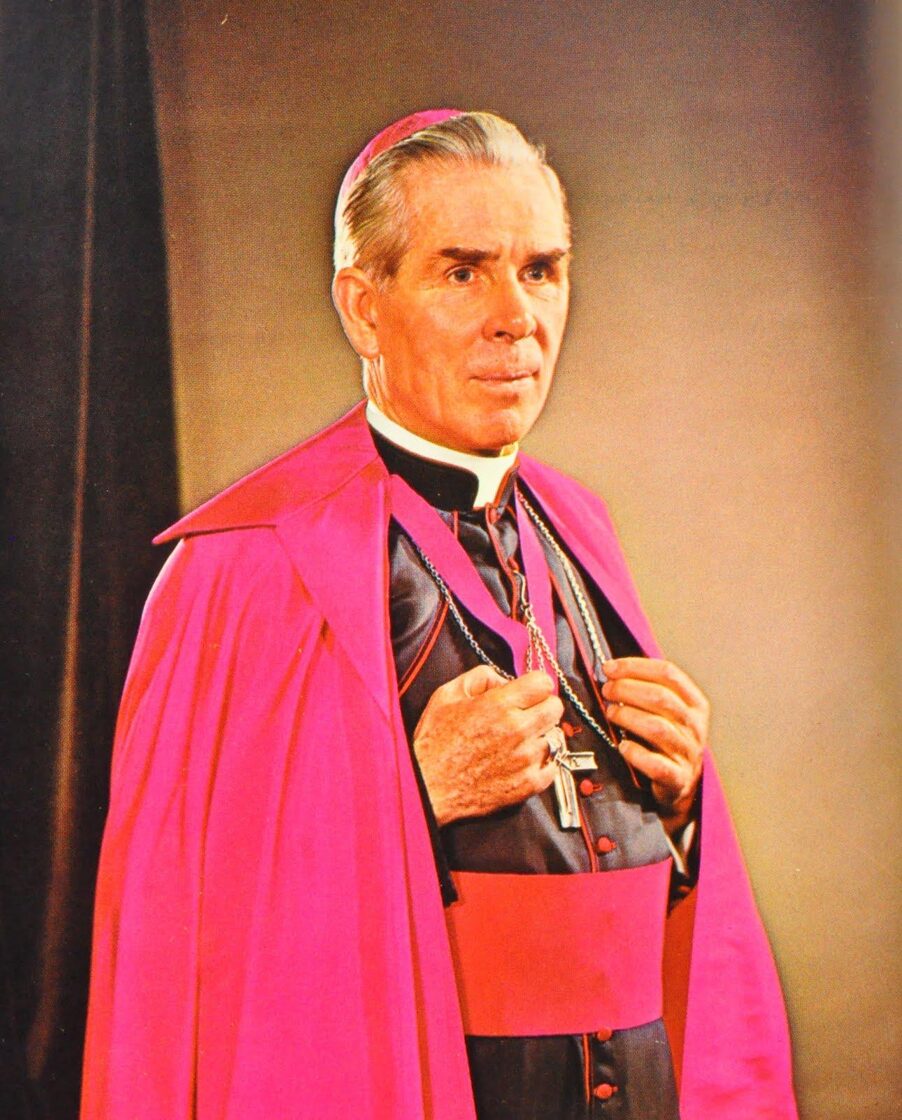
Soon to be canonized, Bishop Sheen was one of the most prominent Catholic leaders in American history. He wrote 17 books, and this was his best. He visited millions of homes across America via his popular TV show, ‘Life is Worth Living.’ Restoring a devotion to Christ is what this book is all about, with timeless lessons from His life and times for today’s world. Sheen’s interpretation of scripture is riveting and inspirational. Keep this companion book of the Bible with you.
- Sheen, Bishop Fulton J. 2019. Your Life Is Worth Living. New York: Penguin Random House.
Subtitled, “50 Lessons to Deepen Your Faith,” you can keep this as a companion to both the Bible and ‘The Life of Christ’, as mentioned above. So many lessons are here pertaining to God and man, Christ and His Church, sin, the Sacraments, and the Commandments. Bishop Robert Barron, in the introduction, recognized his magnificent formation of the Catholic faith and philosophy; this being a great summary of the archbishop’s teachings. Popes and presidents consulted with Archbishop Sheen on matters of faith and politics, and rightly so.
- Spitzer, Robert J. 2008. Five Pillars of the Spiritual Life. San Francisco: Ignatius Press.
EWTN superstar, Father Robert Spitzer, S.J. subtitled this book, “A Practical Guide for Active People.” He is such a highly regarded spiritual teacher and writer today. So well organized and packed with logic, I never really grasped the Beatitudes until I read Fr. Spitzer’s explanations. The ‘Five Pillars’ are The Holy Eucharist, Spontaneous Prayer, The Beatitudes, Partnership with the Holy Sirit and the Contemplative Life. A stronger spiritual life is guaranteed by reading the ‘Five Pillars’.
- Warren, Cornelius J. 2012. The Twelve Steps to Holiness and Salvation. Charlotte, NC: Tan Books.
I just picked this up at the Ave Maria University bookstore. It is a book on the works of St. Alphonsus Ligouri, 18th century priest born into Neapolitan nobility, and emerging as a doctor of the Church. A man after my own heart, if you know what I mean. Developed are the 12 key virtues necessary for salvation: faith, hope, love of God, love of neighbor, poverty, chastity, obedience, humility, mortification, recollection, prayer, and self-denial. Currently, I do not know if the works of Ligouri or De Sales [# 1 above] are better. You tell me.
And One for Good Luck:
- Baglino, Michael J. ed. 2025. One a Day Readings from the New and Old Testament. Lake Worth, FL: Self-Published.
Shameless, I know. But really, if you want to read the bible within a year, this will certainly help. With 365 daily readings for Christians on the go, I hope verses from the 27 books of the New Testament, plus Psalms, Proverbs, and the Pentateuch, would whet the appetite of daily readers toward a more complete commitment. Certainly, feel free to delve further into that Bible chapter should any daily reading reach out to you in a special way.